A coin with a peace sign on it

Tokens and Festivals in Ancient Athens

Tokens played a central role in the structure of Athenian festivals. Known as symbola, they enabled access, regulated distribution, and expressed civic belonging through iconography and inscriptions.

A coin with a peace sign on it

Civic Use of Festival Tokens

Tokens served practical and symbolic purposes. They allowed entry to events, ensured fair distribution of sacrificial meat, and acted as identifiers tied to demes and tribes. The Lesser Panathenaia, for instance, used tokens to organise meat distribution, as recorded in IG II3 1, 447.

Ancient coin with figure
Ancient circular bronze coin

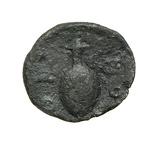
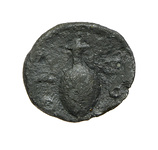
Some tokens bore letters or designs indicating specific demes, such as the deme Oinoe, or tribal symbols like Leos of Leontis. These fostered identity and order during communal meals and ceremonies.

  • See Token: Deme Oinoe
  • View: Tribal Token with Leos and Nike

Iconography and Function

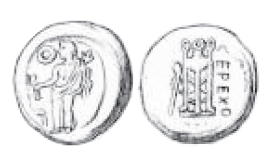
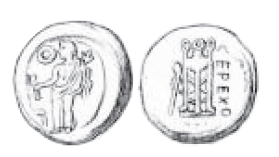
Festival tokens included depictions of gods and mythic heroes such as Dionysos with kantharos or tripods flanking thyrsos. These visuals enhanced the ritual atmosphere and linked celebrations to divine tradition.

  • View: Dionysos Festival Token
a group of gold coins sitting on top of a white table

Advanced Civic Management

Symbola helped Athens administer festival attendance, manage feasts, and support tribal cohesion. Their presence confirms the administrative sophistication of Hellenistic civic culture.

Ancient coins with inscriptions

Learn More

For an in-depth perspective, explore our linked seminar hosted by the British School at Athens:

  • Watch: Tokens in Late Classical and Hellenistic Athens

Got questions about festivals?

Tokens and festivals

Symbola of Late Classical and Hellenistic Athens pertain to festivals.

Legends, iconography and connections to civic institutions such as demes and tribes reveal, for tokens, a sophisticated system of festival admission, distribution control, and communal organisation.

This evidence reshapes our understanding of symbola as fundamental tools in the ritual and administrative fabric of Athenian civic festivals.
Worn ancient metal token with indistinct imagery and uneven edges.

Lidded Panathenaic Amphora with two letters at either side, OI at right, NO at left, referring to the deme Oinoe.
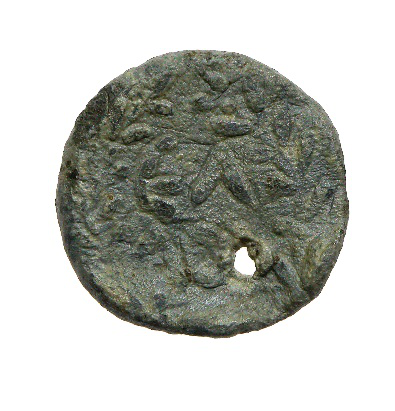
Ancient bronze token with dense relief decoration and a small perforation near the lower edge.

The legend ΕΛ│ΑΟΥ in wreath

Illustrated obverse and reverse of an ancient token showing a standing figure on one side and a column-like symbol with lettering on the other.

Dionysos in a long chiton, standing left, with a kantharos in his right hand and a thyrsos in the left one, all in incuse/tripod with a small thrysus on its left side; in the field right:
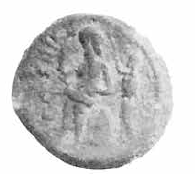
Circular ancient token with a lightly worn surface and faint relief details.

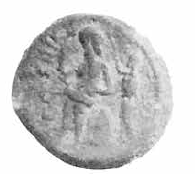
Leos, hero of the tribe Leontis, sitting on a rock. Next to him and crowning him, Nike in smaller size; on the left: ΛΕΩΣ ΝΙΚΗ

More on tokens, democracy and festivals in: “Tokens in Late Classical and Hellenistic Athens”

An Upper House Seminar at the British School at Athens by M.E. Gkikaki