
Tokens and Democracy
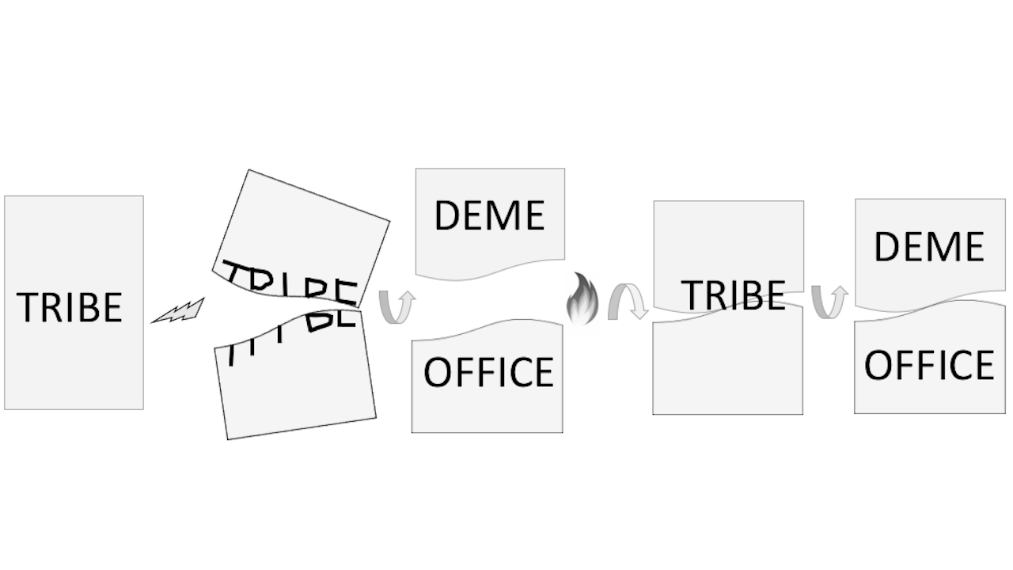
“Jigsaw” clay tokens were used in the allotment of magistracies in classical Athens. These tokens were inscribed with the names of demes, tribal affiliations, and office titles, and cut irregularly so halves could be matched. The standard theory posits that these tokens were part of a lottery system used to allocate public offices proportionally among demes, helping organise democratic governance fairly.
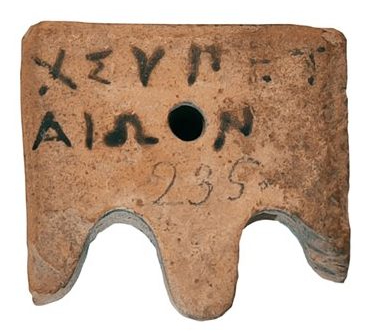
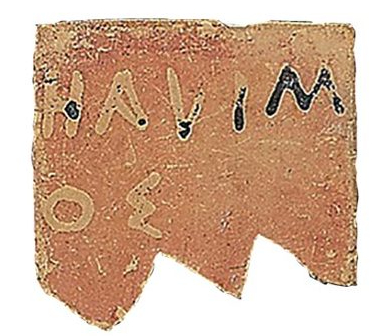
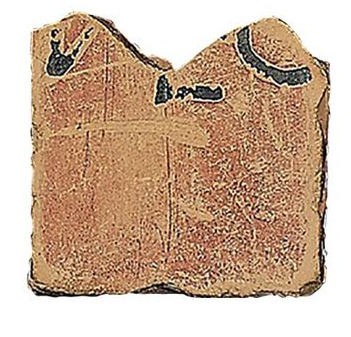
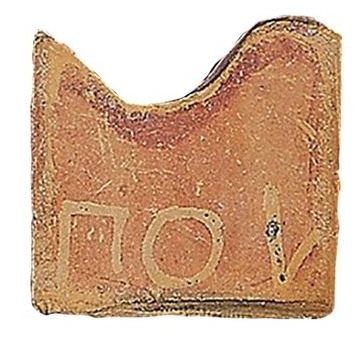
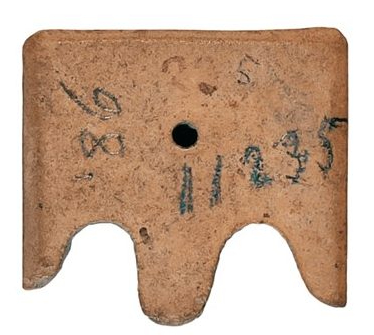
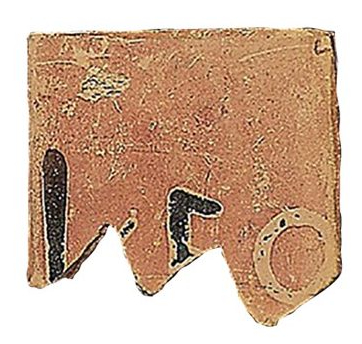
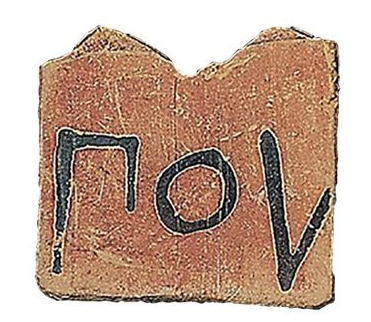
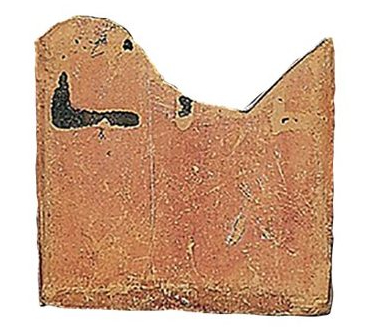
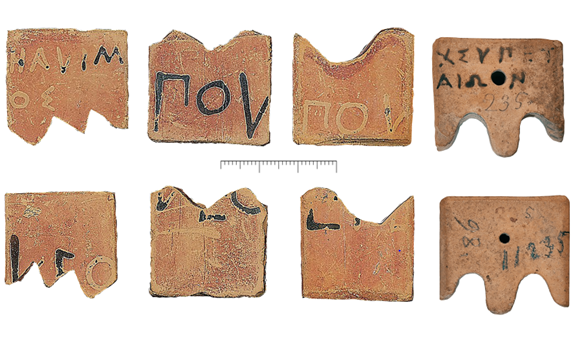
Tokens of the mid-fifth century BCE. From left to right: The Athenian Agora Museum MC820, MC821, MC822 and The National Archaeological Museum 11235.
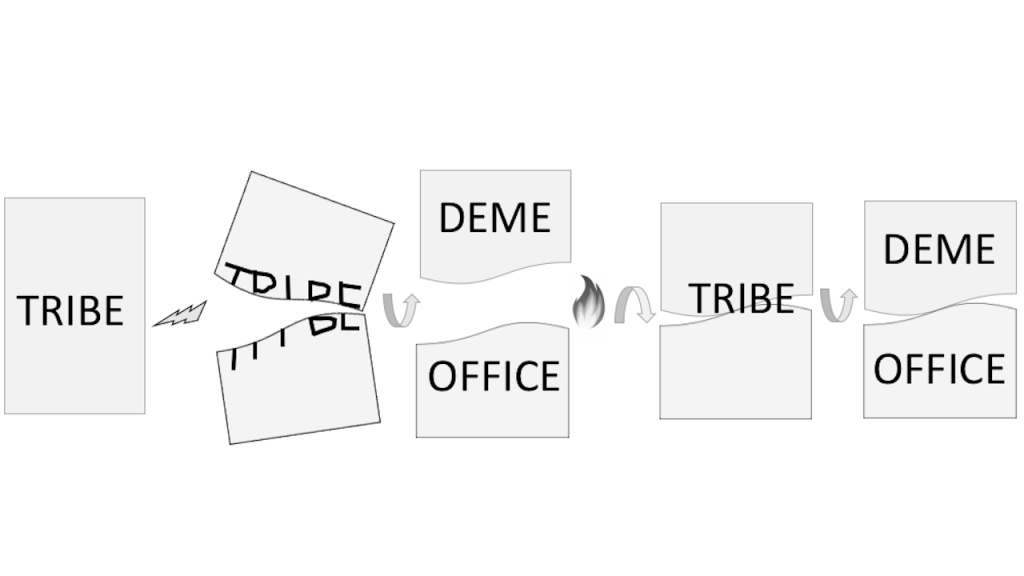
The process likely involved distributing tokens with tribal names, cutting them in halves, thoroughly mixing them, then painting office names on some halves and deme names on others according to their quotas. When matched back together, this revealed which demes were assigned to which offices. The tokens served to control office allocation, prevent abuses like selling offices, and increase political equality.
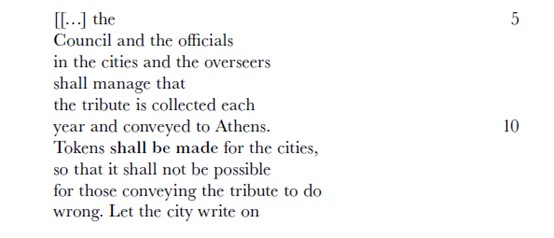
The Council, ‘he Boule’, issued tokens in ancient Athens. There exist two different decrees inscribed on stone which bear testimony to the fact. The first of the two is the famous Kleinias Decree (AIUK 4.2)
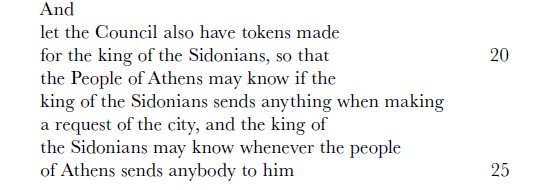
A generation later, in the honorific decree for Strato, the King of Sidon (AIUK 11) symbola are employed again.
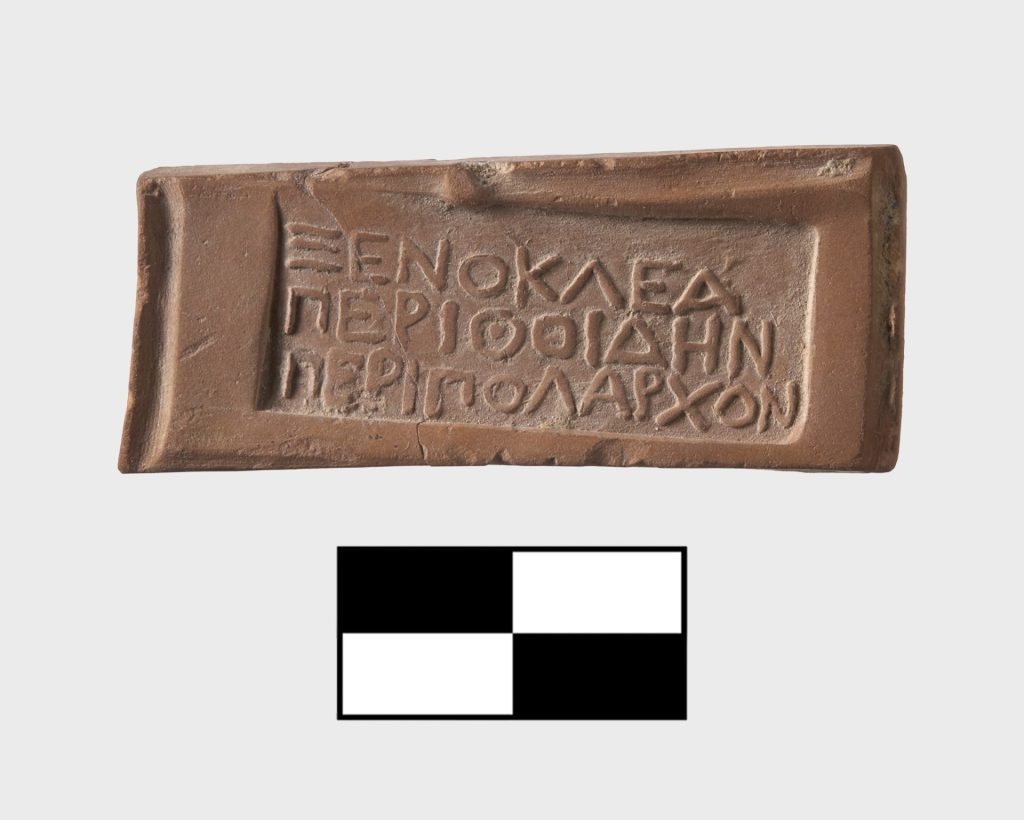
That tokens given to envoys and trusted courriers were in fact split is attested also through the symbola inscribed with the name of the peripolarchos (the commander of the borders), Xenokles of the deme Perithoidai. One part was given out to the carrier, safeguarding his safe passage and confirming his identity upon arrival.
Tokens for the Jurors’ Courts
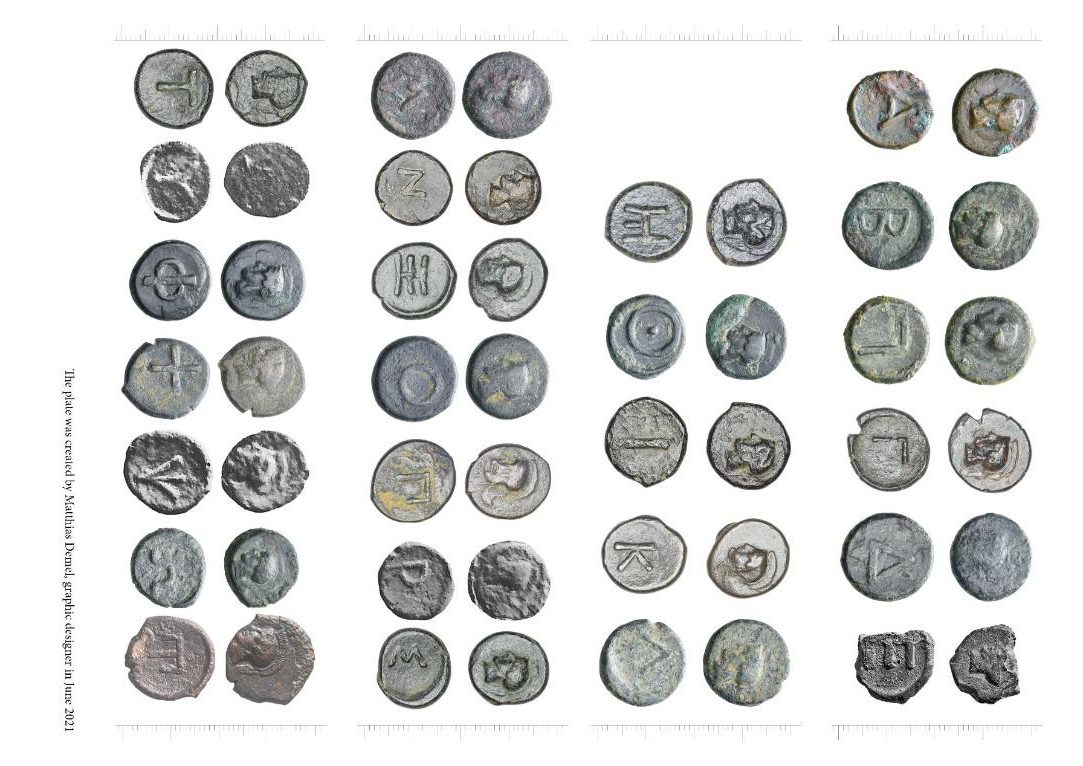
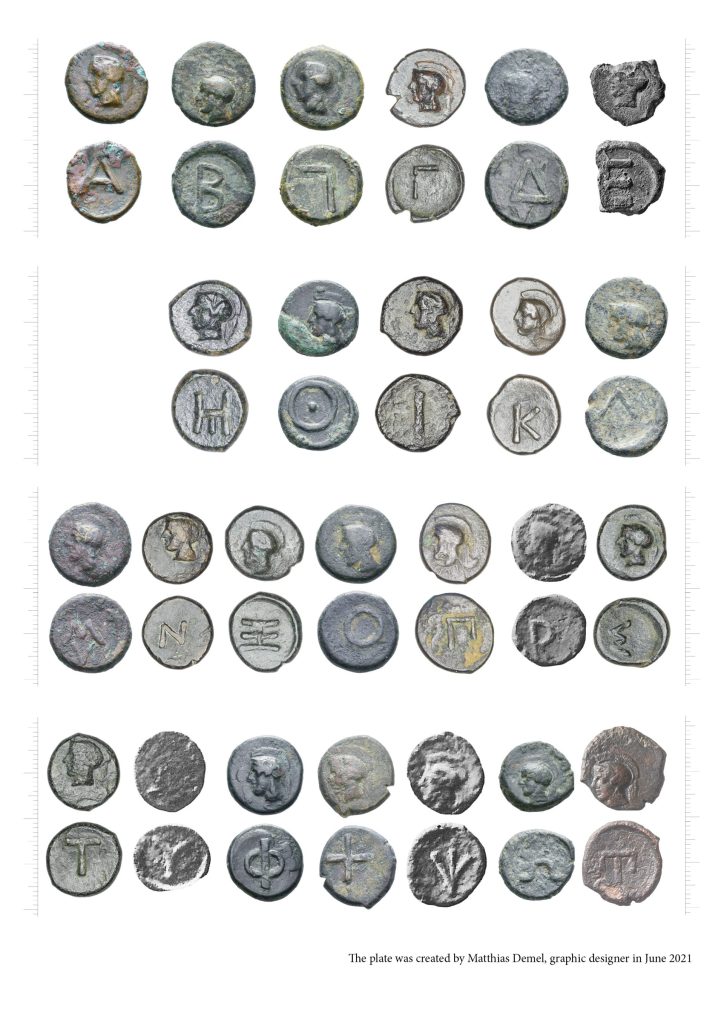
Not all tokens were cut in two, however. Of the Athenian Jurors’ courts, some 18 series of bronze tokens with letters exist, dating to the fourth century BCE. On one face, they bear identifying symbols, and on the other, a letter. Jurors received lettered bronze tokens to designate their assigned seating section, ensuring orderly trial procedures. After they had cast their vote, they received yet another token to exchange for their stipend.
Watch the Video: Symbolon: The Juror’s token
Tokens for the Assembly
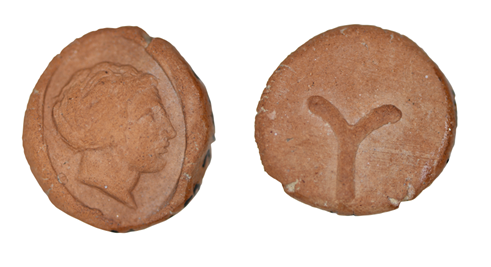
Clay, lettered tokens, distributed to citizens entering the Assembly, served as identification and payment devices, ensuring that only eligible participants received their attendance stipend. Tokens also regulated seating arrangements, randomly assigning citizens to different sections to preserve equality of speech and prevent factionalism. The fixed number of symbola (typically 6,000) confirmed the required quorum and helped control public expenditure by limiting pay to pre-approved participants. Symbola were collected after use, stored in state archives, and sometimes featured civic or divine imagery reflecting Athenian identity. Their introduction highlights Athens’ sophisticated administrative and financial management during the classical and early Hellenistic periods.
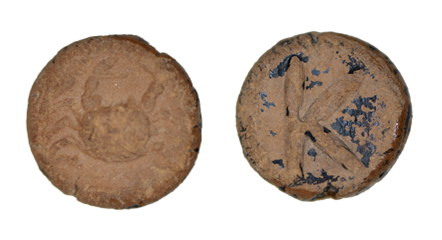
Lettered clay token with the image of a crab. Athens, Museum of the Ancient Agora MC1039.
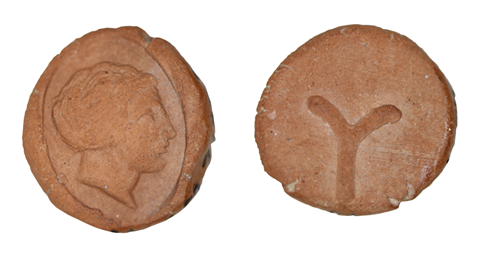
Lettered clay token with the personification of the Council (he Boule). Athens, Museum of the Ancient Agora MC359.
Watch the video: The Assemblywomen and Athenian tokens. A conversation with Mairi Gkikaki and Clare Rowan.
Images: ASCSA: Agora Excavations. Photos: M.E. Gkikaki and Giannis Tzitzas © Hellenic Ministry of Culture/Hellenic Organization of Cultural Resources Development (H.O. C. R. E. D.)
© 2026 Tokens of ancient Athens